» Site Navigation

0 members and 2,316 guests
No Members online
Most users ever online was 47,180, 07-16-2025 at 05:30 PM.
» Today's Birthdays
» Stats
Members: 76,086
Threads: 249,226
Posts: 2,572,838
Top Poster: JLC (31,651)
Welcome to our newest member, diingoo
|
-
Re: Paradox genetics
 Originally Posted by paulh

As I understand it, a paradox starts as a fertilized double-yolked egg, and the two fuse early in embryonic life. So it is a case of twins that became one snake. From what I have read, double-yolked eggs tend to run in families, but it is not a trait caused by a single Mendelian gene. And double-yolked eggs are more common in species with large eggs, like ball pythons and Burmese pythons.
I had a bullsnake that produced occassional eggs that I believe were double yolked simply from the size (twice as long and nearly as wide as a normal egg). The babies from those eggs may have been chimeras (with cell lines from each of the two fertilized eggs), but those babies were not paradoxes because they were normals, like both parents. A paradox is a chimera whose cell lines produce different appearances so they can be distinguished.
A paradox male does not produce eggs, so he may pass on a tendency to produce double-yolked eggs to his female offspring, but that doesn't affect his mate. A paradox female may produce another paradox, if she produces a double-yolked egg. And if the color genetics are right in her and her mate.
Jumping back to this, you're referring to a chimera, where one animal contain, more or less, the mashed together DNA of two animals. So, this begs the question, are chimerism and paradoxing the same thing? If so, then this wouldn't necessarily be something you can breed for.
However, I'm almost convinced they're not the same. Take a look at these two snakes, both owned by Taylor Nicole Dean:
This is Gemini, who is a chimera.
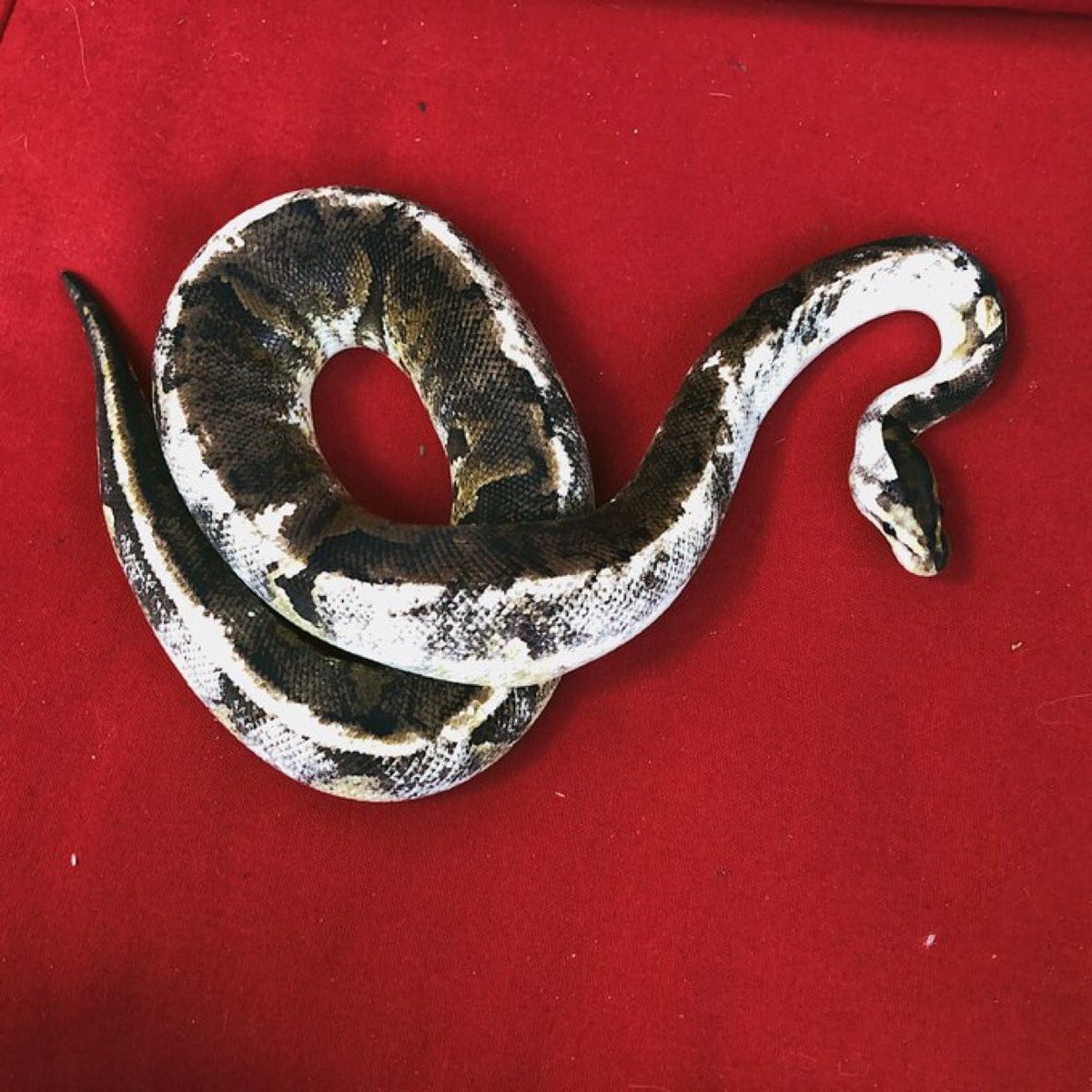
From what I've seen, this is how chimeras tend to appear, with a visible distinction between the 2 sets of genetics.
On the other hand, this is Frank:
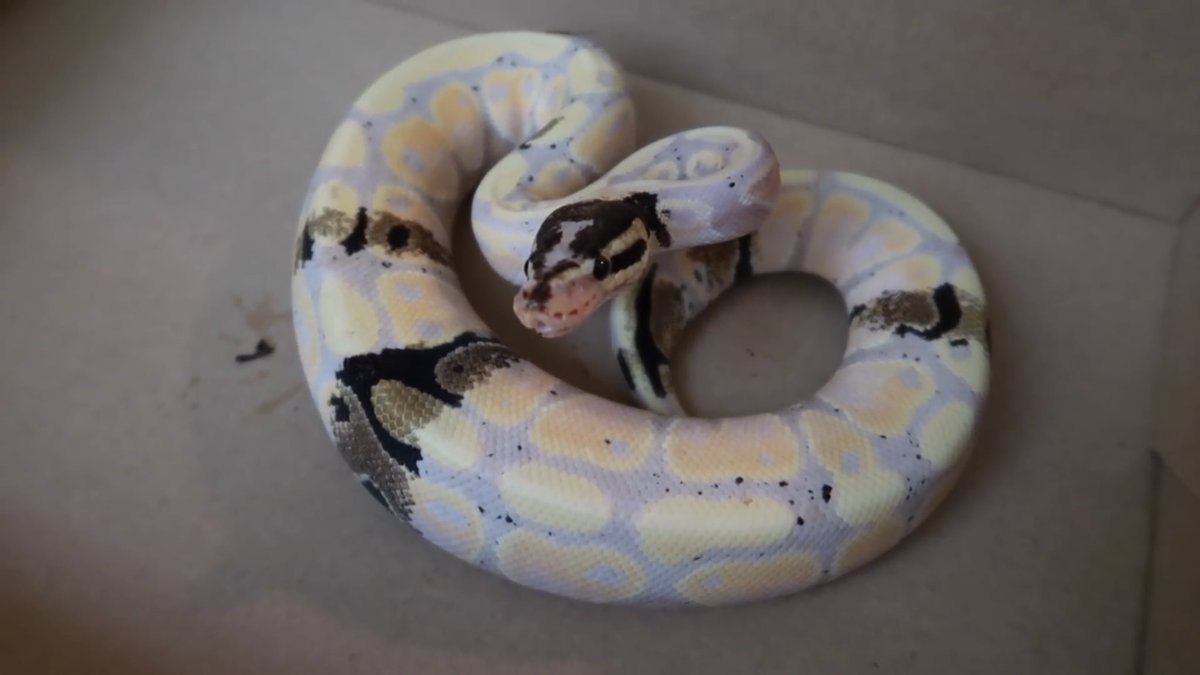
Frank is more what is expected of a paradox, with splotching and banding of pigment visible.
I have also noticed and agree that paradoxing seems much more common on morphs that minimize pigmentation, so it appears that these are patches where the pigment actually expresses. Given these, it appears that chimera and paradox are two different expressions. They visually express very differently.
Still, I'm not sure that either of these can be bred for consistently.
Ball Pythons!
1.0 Normal - Echo
1.0 Spider Enchi Ghost - Whiskey
0.1 Super Pastel Lesser - Tango
1.0 Butter Spider Het Hypo - Foxtrot
Other Snakes!
0.1 Albino Paradox KSB - Socks
1.0 Jungle Carpet Python - JPEG
1.0 California Kingsnake - Salazar
Geckos!
0.2 Super Hypo Tangerine Leos - Riddle and Valkyrie
-
The Following 5 Users Say Thank You to skydnay For This Useful Post:
AbsoluteApril (09-13-2018),Ax01 (09-13-2018),dr del (09-13-2018),LotsaBalls (09-13-2018),Ronniex2 (09-13-2018)
Posting Permissions
- You may not post new threads
- You may not post replies
- You may not post attachments
- You may not edit your posts
-
Forum Rules
|







 Reply With Quote