» Site Navigation

0 members and 2,018 guests
No Members online
Most users ever online was 54,199, 06-29-2026 at 02:43 AM.
» Today's Birthdays
» Stats
Members: 76,107
Threads: 249,255
Posts: 2,572,998
Top Poster: JLC (31,651)
|
-
BPnet Veteran

Need a few tips on taking pictures with light tent !
Hi,
I tried to take picture of some of my ball pythons, I used my girlfriend camera, a Sony Alpha 350 with the base lenses that came with it (she have other minolta lenses but no macro).
I made a basic light tent with a carton box and 2x150 on the side.
I also made a white balance, 2900k G2 (not sure what that mean but well).
Everything else was on "AUTO" mode with no flash. I just manually did the focus. (I was not used with the camera so didn't bother with adjusting shutter speed and aperture)
Most of my pictures have a grey background even with all the lights I put and with a white balance done.
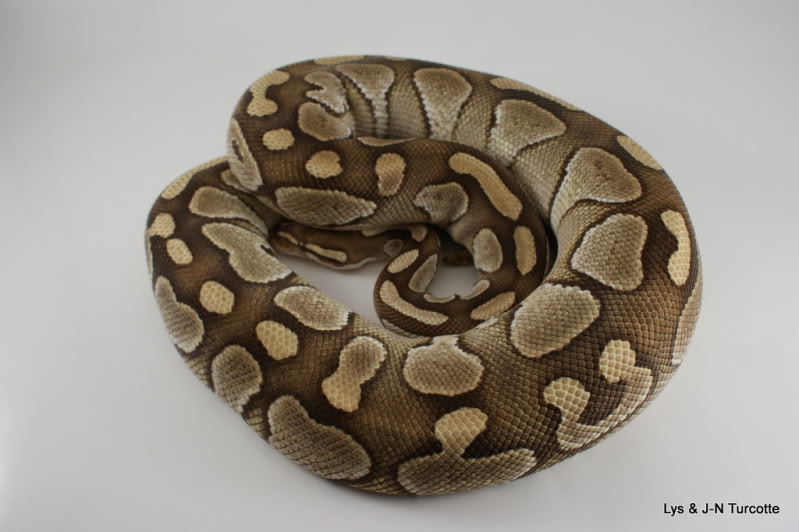
Focal length : 26.0mm (35mm equivalent: 39mm)
1/50s
f/5.0
ISO : 100
Some of the pictures have nicer color and a whiter background but still quite grey.
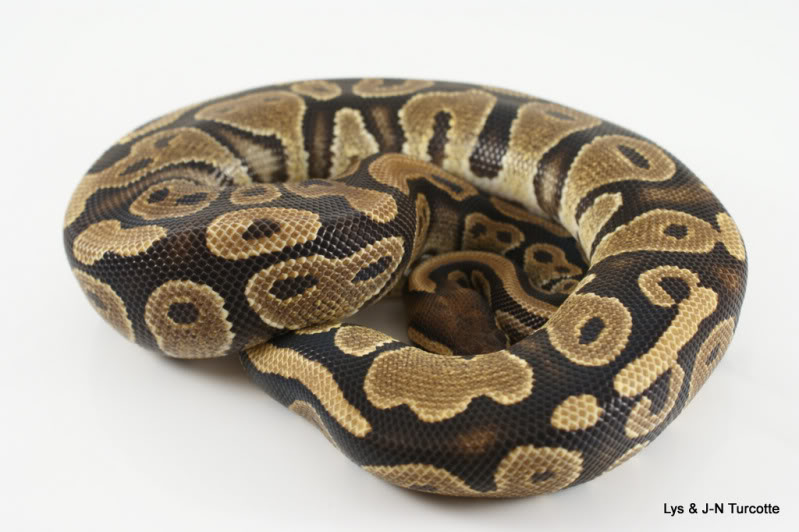
Focal length : 40.0mm (35mm equivalent: 60mm)
1/60s
f/5.6
ISO : 400
I realized that the more ISO I have, the "whiter" are the pictures.
But before I start soothing with higher ISO, is there something else I should do ? What would be a good shutter speed and aperture for taking these pictures ? And what would be a good ISO ?
I also tried to shoot on black, and most of the pictures had the black reflect the light, and was more "dark gray" than black and the colors were off. The few ones that were good were had a lower ISO. Is there anything else than lowering the ISO here ?
There should be "orange" on the side instead of "yellow".
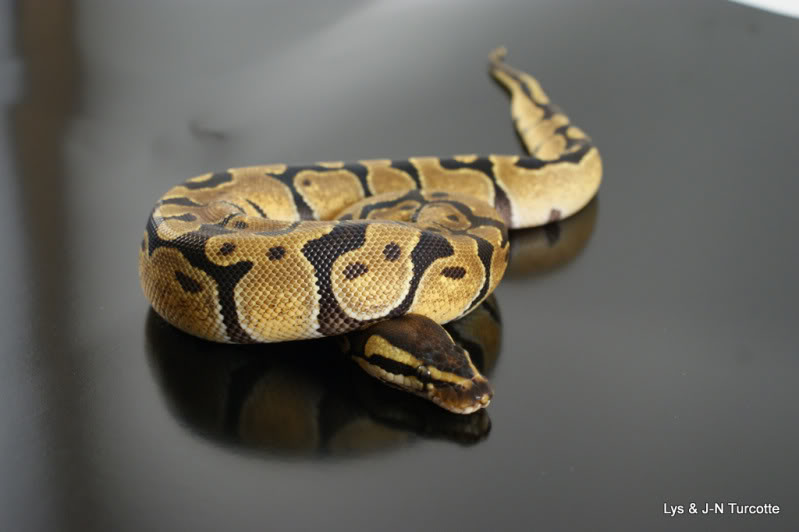
Focal Lenght : 35.00mm (35mm equivalent: 52mm)
1/60s
f/5.6
ISO : 400
A better one with black background
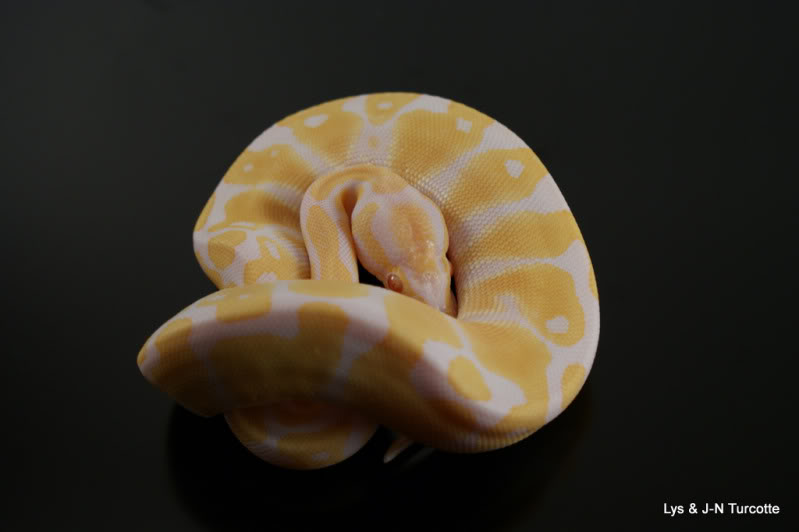
Focal Lenght : 40.00mm (35mm equivalent : 60mm)
1/80s
f/5.6
ISO : 200
I also did some modification with GIMP by rebalancing the white, and adding a whiter background. But I would like to shoot without needing this as much as possible. (I don't even know how to adjust when I have a black background, nothing as black balance lol).
before :
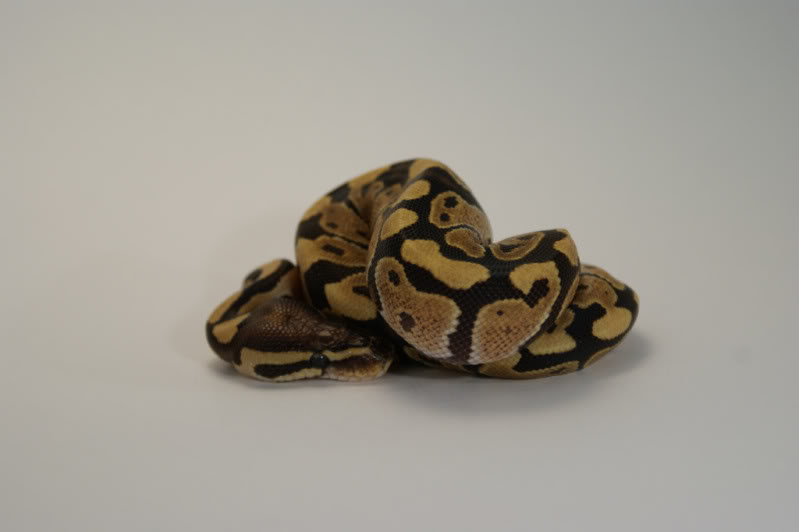
after :
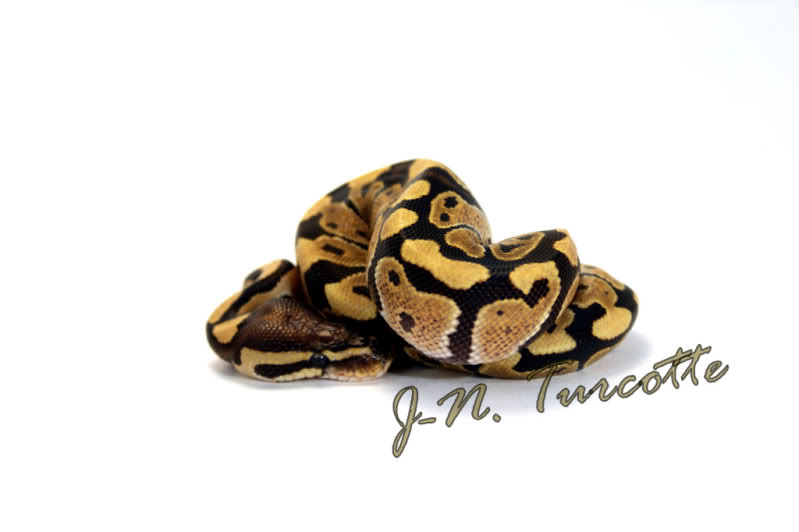
So if anyone could help me with a few tips, I would like to
Like what shutter speed, aperture and ISO I should be using.
Thank you !
-
-
Re: Need a few tips on taking pictures with light tent !
First in a light box...Light is your friend.. Bombard it with light and let your camera settings tone it down. Use your flash it's there for a reason..
Second learn how to use the aperture to allow more light in. Setting the shutter speed to auto and the aperture as large as it will go is a good start then shrink it down till you get the shot you want
I myself don't mind a little grey it gives the animal so spacial relation. I stead of looking like its hanging out in mid nothing..
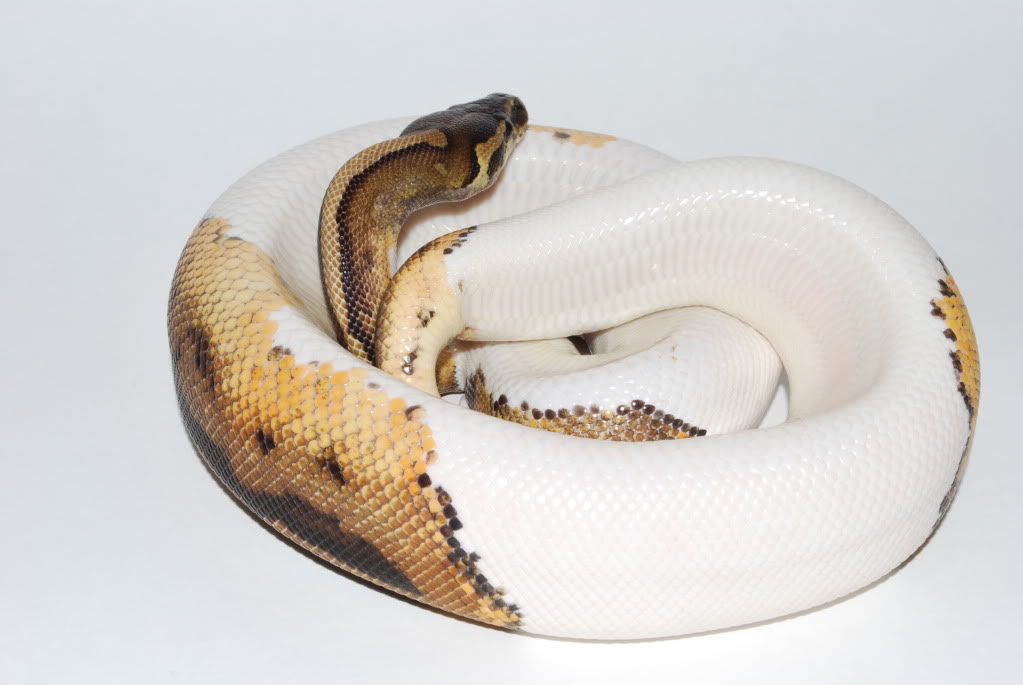
As long a the animal is well lit..
Yes the higher the ISO the whiter but also the more noise you introduce into the image.
Once you learn how your camera reacts and what setting work best in which lighting you can get great shots
When you've got 10,000 people trying to do the same thing, why would you want to be number 10,001? ~ Mark Cuban "for the discerning collector"
-
-
BPnet Veteran
Re: Need a few tips on taking pictures with light tent !
Thank you very much !
I was not really familiar with the ISO, but I knew it would create more noise. So it's best to not touch it too much and have it a bit low then. I will try to increase my aperture and play with the shutter speed.
But what about shooting on black ? Won't increase the amout of light and the aperture make it more "gray" than black ?
thank you !
-
-
Re: Need a few tips on taking pictures with light tent !
 Originally Posted by Watever

Thank you very much !
I was not really familiar with the ISO, but I knew it would create more noise. So it's best to not touch it too much and have it a bit low then. I will try to increase my aperture and play with the shutter speed.
But what about shooting on black ? Won't increase the amout of light and the aperture make it more "gray" than black ?
thank you !
In that case close the aperture to let less light in but lengthen the shutter time to allow a good exposure to catch as much light off the snake as possible.
When you've got 10,000 people trying to do the same thing, why would you want to be number 10,001? ~ Mark Cuban "for the discerning collector"
-
-
Re: Need a few tips on taking pictures with light tent !
ISO changes the sensitivity of the film (censor) to light. The higher the ISO, the less light you need to make a picture. Lower ISOs are better. They create less noise and pixelation in your photos allowing you to make sharper photos. With film, ISO is standard. with digital it isn't. Nikons ISO 100 is the same as cannons ISO 25. You just need to do test shots with your camera. The darker the subject the better you will see the amount of noise being created by the higher ISO.
Also try to watch out for super long exposures. CCDs cool poorly and can heat up unevenly. This will cause a phenomena known as blooming where your hilights turn pure white (255) and then the heat from that causes the surrounding pixels to also turn white.
With aperture, the larger the number of your aperture the smaller the physical hole is, and the less light gets into your camera. so F22 will have almost everything you see in focus, but you need a lot of light to get the right exposure. But F5.6 needs much less light to make a proper exposure, but much less of your image is in focus.
White balance tells your camera what white is.
Ok, now with your exposure. When you look through the lens and it tells you that you have a proper exposure, what it is actually telling you is that whatever you are looking for is being properly exposed for 18% grey. If you are metering white, it will expose it for 18% grey. What you need to do is change your exposure to make your whites white. Either in the camera, or in a program like gimp or photoshop.
Fun tidbit- the reasons cameras expose for 18% grey is because that is the proper exposure for Caucasian (white) human skin in film cameras. Digital cameras just took the same idea and ran with it instead of doing something new.
-
-
BPnet Veteran
Re: Need a few tips on taking pictures with light tent !
Originally Posted by cinderbird
Ok, now with your exposure. When you look through the lens and it tells you that you have a proper exposure, what it is actually telling you is that whatever you are looking for is being properly exposed for 18% grey. If you are metering white, it will expose it for 18% grey. What you need to do is change your exposure to make your whites white. Either in the camera, or in a program like gimp or photoshop.
Ok, I understand how it does it.
So how should I should I meter it so white is near 0 or may be 5% (at least keep something hehe).
I think that if I shoot in RAW, I could modify this more easily in GIMP or photoshop, white the white balance functions.
But if I want to do it on the camera ? I do a white balance on grey instead ?
Should I get a grey chart ?
-
-
Re: Need a few tips on taking pictures with light tent !
Originally Posted by Watever
Ok, I understand how it does it.
So how should I should I meter it so white is near 0 or may be 5% (at least keep something hehe).
I think that if I shoot in RAW, I could modify this more easily in GIMP or photoshop, white the white balance functions.
But if I want to do it on the camera ? I do a white balance on grey instead ?
Should I get a grey chart ?
- shooting RAW is the best thing you can do if you know how to work with RAW files. If you know how to work with them, you should know how important they are 
If you want to meter exactly, use a grey card, its just the easiest way. Put the target somewhere where the light is exactly the same (on top of the snake even), take your meter reading and then remove the card and shoot.
What i do personally, is shoot slightly underexposed. I find its much easier to raise an exposure than to lower an exposure. This means my whites may sometimes have a grey shade to them. I'm very proficient in photoshop so correcting this isn't a problem. Something else i do is shoot multiple exposures, one for the blacks, one for the midtones and one for the whites and then stitch parts of them together in PS. This isn't always possible for living creatures that move a lot though.
-
Posting Permissions
- You may not post new threads
- You may not post replies
- You may not post attachments
- You may not edit your posts
-
Forum Rules
|






 Reply With Quote