







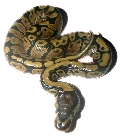
Edie, the thing here is to figure out why she had any prey left to regurge five days later. Are her temps warm enough to allow her system to properly digest in a timely manner? Is the prey of the appropriate size that she can digest it in a reasonable time period? Was she handled soon after eating? Any stress or unusual incidents in the days following her feeding day?
When they swallow whole prey there's a fine balance between the time it takes them to digest that prey and the time decomposition of the prey will set in if it's not digested. That's why regurges smell so gawd awful, they are literally tossing up rotting prey from inside them (at least that's my understanding of the process).
First off I'd be making sure to give her a gentle, warm wash off to make sure none of her strong stomach acids that came up with that prey are on her skin. Also I'd be changing her substrate for the same reason. A snake sitting in bedding soaked with those acids can get very badly burnt by them. I'd likely put her on a nice clean soft bedding and make sure she's nice and warm and has clean water and quiet time for the next couple of weeks.
Then I'd try her on a prey item much smaller than normal for her. You want a couple of weeks minimum to allow some healing of her insides from that acid coming up with that nasty prey. You want to feed her lightly for the next few weeks after that to allow her to easily digest her meal and for you to make sure she does not regurge again. Feeding too soon on big prey could trigger another regurge, more damage and a bad cycle of regurging over and over which can kill a snake.
If she regurges again or if you are in any way concerned, please address this with your vet. Do doublecheck your husbandry, housing and feeding routines to see if this is what triggered the regurge.

 Reply With Quote