» Site Navigation

1 members and 1,849 guests
Most users ever online was 54,199, 06-29-2026 at 02:43 AM.
» Today's Birthdays
» Stats
Members: 76,104
Threads: 249,251
Posts: 2,572,972
Top Poster: JLC (31,651)
|
-
Re: Carpet Confusion...
 Originally Posted by EL-Ziggy

Nice looking carpet Dubs. Jags are some of the most gorgeous carpets out there. I don't keep them only because of the potential neuro issues but there's no questioning their beauty.
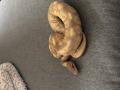
Thanks bud! I just love the look and as I said was going to stay away myself but had to inquire and when the seller backed it up with multiple videos I could tell there was zero issue. The person who has her has over 200 snakes and has said she has never displayed any neuro issues, so I would think and hope she would know it if she saw it and like I said I saw zero in the videos.
1.0 - Cinnamon Banana Ball Python (Thunder)
1.0 - Yellow Belly High White Pied Ball Python (Pretty Fly For A White Guy)
0.1 - Cinnamon GHI Ball Python (Leslie Snipes)
1.0 - Dumerils Boa (Sushi)
0.1 - Caye Caulker Boa (Lady Liberty)
0.0.? - Mandarin Rat Snake (Bumble)
1.0 - Mexican Black King (Rico Suave)
1.0 - Black Tail Cribo (Goldar)
0.1 - Jaguar Carpet Python (Cookie)
1.0 - Vietnamese Blue Beauty (Elsa)
1.0 - Green Tree Python (Banner)
0.2 - Yellow/Quince Monitors (Blanche & Dorothy)
-
-
-
-
Most have addressed the neuro issue, but I have heard it can develop over time. That coloring and patterning to me look like a pretty classic jaguar. My buddy has a bunch of jags and jag crosses but all seem to be thriving just fine. As with most things, you take the gamble, but to me, it's worth it if you love it – even if for a shorter period of time than a perfect specimen.
I have a hatchling jagpondro that I will be raising up, so we will see if that has a neuro issue.
Usually, if I love it, am willing raise it for 20+ years, bring it to a vet/spend the money to fight for his/her life - then there is little reason not to get it.
Too Many...
That's what my wife says 
-
-
Re: Carpet Confusion...
She's gorgeous! And it's a promising sign if there are no obvious neuro issues at this point. 
BALL PYTHONS: 1.0 Pied/Clark, 1.0 Pastel Vanilla Super Stripe/Sunny, 0.1 Dragon Fly/Buffy, 0.1 Pastel Vanilla Yellow Belly/Cher, 0.1 BEL (Mojave Lesser)/Arya, 0.0.1 Normal/Norm, 0.1 Cinnamon Enchi/Peaches, 1.0 Cinnamon Calico/Yoshi, 0.1 Pewter Het Dreamsicle/Ariel
BOAS: 0.1 Dumeril's/Memphis, 0.1 BCL/Artemis, 1.0 BCO/Grimm, 0.1 Suriname BCC/Rhubarb
CORN SNAKES: 0.0.1/Mushu
MORELIA: 0.1 Bredli/Zelda, 0.1 Granite IJ/Bridget, 0.1 Caramel Diamond Jungle/Pixie
-
The Following User Says Thank You to WhompingWillow For This Useful Post:
-
Re: Carpet Confusion...
Looks like a really nice carpet - that head stamp is great - sorry I was waking up when we texted the other day and didn't have my glasses on yet.
Get yourself a copy of the Nick Mutton/Justin Julander book "The Complete Carpet Python" and keep it as a great reference guide. I would suggest contacting either/both on Facebook and buying it through them - they do not get much of a cut from Amazon or bookstore sales. Both are very responsive and easy to chat with as well.
Speaking of the book - I'm really looking forward to Tinley and meeting most of the breeders I've followed and chatted with through Facebook or YouTube. Should be an awesome trip. I'm bringing my copy of the books (The Complete Boa Constrictor by Vin Russo and Capet book for Justin to sign as Nick signed when I bought it from him) to have them autographed.
Ball Python
0.1 Lesser (Lucille) local pet store
Boas
0.1 Caulkers Cay (CC) from TJ Blevins (Second City Constrictors)
1.0 Sunglow het moonglow (Sonny) from Dustin Dirnberger
1.0 BCI - DH Sharp Snow (Bob) from TJ Blevins (Second City Constrictors)
1.0 Brazillian Rainbow Boa (Babylon) from Ike Lightener (Ike's Exotics & Aquatics)
Pythons
0.0.1 Unknown/undocumented rescue (Roger)
1.0 Northern White Lip (Solo)
Cats
1.1 Domestic short hair (Esther and James)
Snake Wishlist
Drymarchon Malanurus (Black Tail Cribno)
SD/D Retic
Woma or Black Headed Python
Other Reptile Wishlist
Poison dart frogs
-
The Following User Says Thank You to BR8080 For This Useful Post:
-
The wobble varies. I currently have 8 jags in my collection and have had 4 others in the past. 11 of the 12 had only very mild symptoms. The other, a male DCI/coastal intergrade, had fairly strong symptoms as a hatchling that manifested themselves at all times, not just times of excitement which is frequently reported. He was quite difficult to feed at first as he either couldn’t hit the prey or couldn’t locate it after he constricted it. For the first 2-3 years the meal would normally be offered 4-6 times before being consumed. The snake is now 11 years old and has become efficient at feeding on offering #1. However, at about 4-5 years of age his equilibrium became increasingly poor. The snake is as likely to be spotted upside down as right side up the past few years. None of the other jags in my admittedly small sample have had any noticeable difference in the degree of their symptoms over the years. However, there is enough reported evidence in other collections to show that it may get worse. And sometimes get better. But I think mostly what you get wobble wise as a youngster is what you will get as an adult.
-
The Following User Says Thank You to DennisM For This Useful Post:
-
Re: Carpet Confusion...
Originally Posted by PiperPython
Most have addressed the neuro issue, but I have heard it can develop over time. That coloring and patterning to me look like a pretty classic jaguar. My buddy has a bunch of jags and jag crosses but all seem to be thriving just fine. As with most things, you take the gamble, but to me, it's worth it if you love it – even if for a shorter period of time than a perfect specimen.
I have a hatchling jagpondro that I will be raising up, so we will see if that has a neuro issue.
Usually, if I love it, am willing raise it for 20+ years, bring it to a vet/spend the money to fight for his/her life - then there is little reason not to get it.
You think this one looks classic? All that I have seen show them as yellowed a bit or more tan from pics and video she has like a white Chicolate look to my eye. Could be wrong tough.
1.0 - Cinnamon Banana Ball Python (Thunder)
1.0 - Yellow Belly High White Pied Ball Python (Pretty Fly For A White Guy)
0.1 - Cinnamon GHI Ball Python (Leslie Snipes)
1.0 - Dumerils Boa (Sushi)
0.1 - Caye Caulker Boa (Lady Liberty)
0.0.? - Mandarin Rat Snake (Bumble)
1.0 - Mexican Black King (Rico Suave)
1.0 - Black Tail Cribo (Goldar)
0.1 - Jaguar Carpet Python (Cookie)
1.0 - Vietnamese Blue Beauty (Elsa)
1.0 - Green Tree Python (Banner)
0.2 - Yellow/Quince Monitors (Blanche & Dorothy)
-
-
Thanks a lot guys. I really do appreciate all the input and personal feedback. All very helpful.
I guess only time will tell at this point.
1.0 - Cinnamon Banana Ball Python (Thunder)
1.0 - Yellow Belly High White Pied Ball Python (Pretty Fly For A White Guy)
0.1 - Cinnamon GHI Ball Python (Leslie Snipes)
1.0 - Dumerils Boa (Sushi)
0.1 - Caye Caulker Boa (Lady Liberty)
0.0.? - Mandarin Rat Snake (Bumble)
1.0 - Mexican Black King (Rico Suave)
1.0 - Black Tail Cribo (Goldar)
0.1 - Jaguar Carpet Python (Cookie)
1.0 - Vietnamese Blue Beauty (Elsa)
1.0 - Green Tree Python (Banner)
0.2 - Yellow/Quince Monitors (Blanche & Dorothy)
-
-
The Jags my buddy has are all pale yellow with aberrant patterns, so they likely have some influence from elsewhere in it. He has one Jag that I was close to purchasing that is very rich in yellow. But, maybe that is a JunglexJag. However, I haven't seen many pure jaguars get that rich yellow that jungles do, in my limited exposure.
Someone please correct me if I am wrong!
Too Many...
That's what my wife says
-
-
Re: Carpet Confusion...
The Gamma line jags are really bright yellow.
3.0 Carpet Pythons, 1.0 Olive Python
1.0 Scrub Python, 1.1 BI
-
Posting Permissions
- You may not post new threads
- You may not post replies
- You may not post attachments
- You may not edit your posts
-
Forum Rules
|






 Reply With Quote